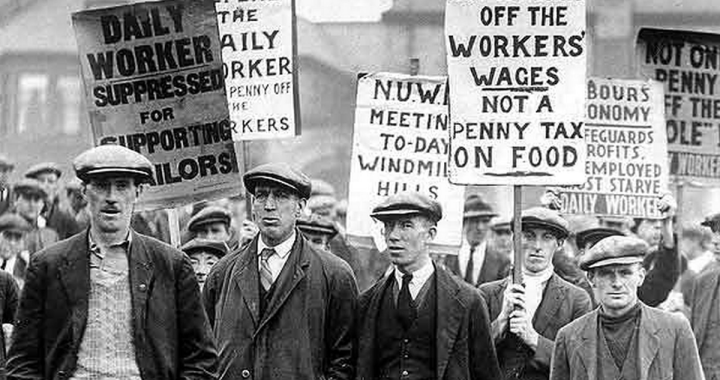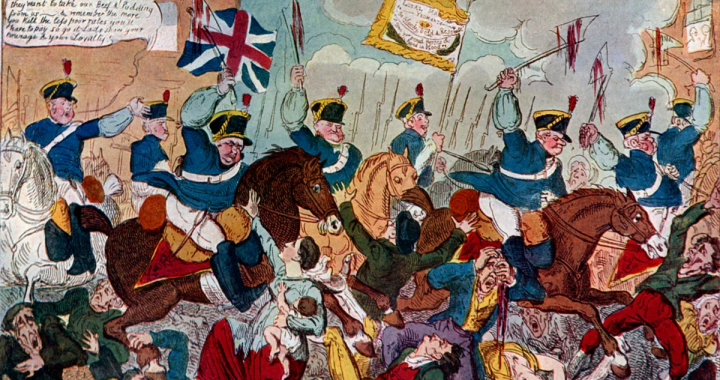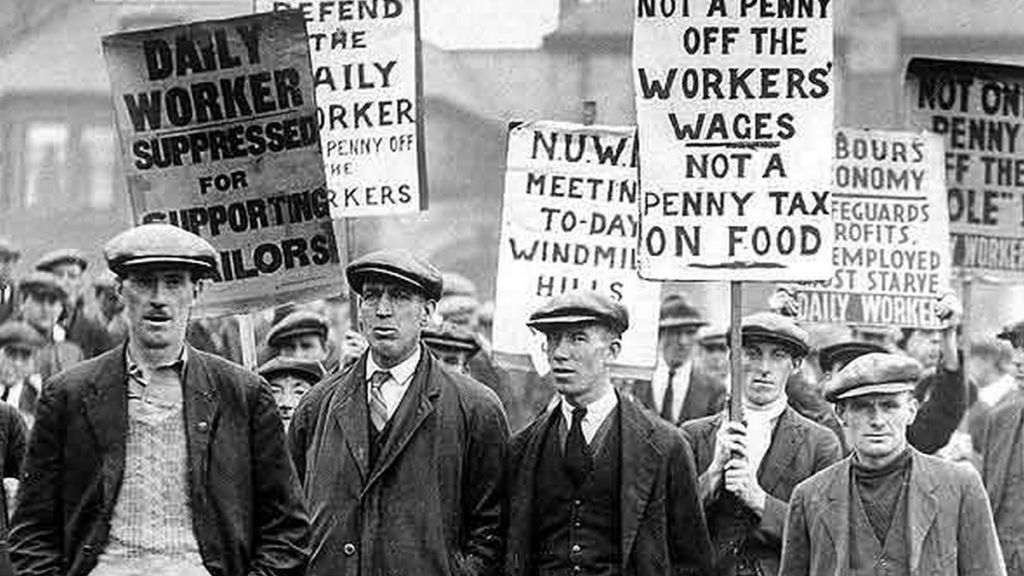
An imaginary newspaper report on the end of the General Strike in 1926
GENERAL STRIKE ENDS. WORKERS ORDERED BACK. NATION BEGINS RESTARTING AFTER NINE‑DAY STOPPAGE
Wednesday, 12 May 1926. Special Report
The General Strike officially ended yesterday evening after the Trades Union Congress instructed all participating workers to return to their jobs immediately. The announcement came shortly after five o’clock and marked the conclusion of nine days of disruption across transport, industry and public services.
The TUC leadership confirmed the decision following a meeting with government representatives.
A spokesman stated,
“We have acted in the interests of the workers throughout this stoppage. Continuing the strike would cause unnecessary hardship. Our support for the miners remains firm.”
Another official added,
“The miners’ dispute is not resolved. We will continue to press for fair terms.”
Prime Minister Stanley Baldwin issued a statement soon after the TUC announcement. He said,
“The strike has been a serious challenge to constitutional authority. The government is relieved that the stoppage has ended and commends the public for its patience. The volunteers who maintained essential services have shown great loyalty.”
Baldwin reiterated that negotiations with the miners must proceed “within the framework of law and order.”
Across major cities, workers began returning to transport depots, rail stations, factories and docks throughout the night and early morning. Railway staff reported for duty at Euston, Paddington, Manchester Victoria and Glasgow Central. Limited services resumed, although full timetables are not expected for several days due to staffing shortages and equipment checks.
Economy beginning to get back to normal
Public utilities also began restoring normal operations. Electricity and gas workers returned to stations in London, Birmingham and Cardiff. Dock labourers reported back to the wharves, allowing cargo handling to restart. Many workplaces opened with reduced crews while managers assessed the condition of machinery left idle during the stoppage.
Police forces across the country reported a largely orderly return to work. Minor disputes occurred at several bus depots where volunteers and regular staff met for the first time since the strike began. In Manchester, a crowd gathered outside railway offices to hear the official notice read aloud. Some workers expressed frustration that the miners’ dispute remains unresolved, but no major disturbances were recorded.
The government’s emergency newspaper, The British Gazette, printed its final issue this morning. It described the strike as “a grave error now concluded.” The TUC’s publication, The British Worker, urged members to resume duties peacefully and reminded readers that “the miners still require the full support of the movement.”
Although the General Strike has ended, the central industrial conflict continues. More than one million miners remain locked out of the pits. Coal stocks are low, and many factories cannot resume full production until mining operations restart. Mine owners insist on wage reductions and longer hours. Union leaders say the miners cannot accept further cuts.
Economic analysts warn that the stoppage’s effects will persist for weeks. Transport networks require repairs and staffing adjustments. Supply chains disrupted during the strike will take time to stabilise. Several local authorities have requested additional government assistance to restore normal services.
The end of the strike brings relief to businesses and households affected by the nine‑day shutdown. However, the unresolved miners’ dispute means industrial tensions remain high. The government has called for calm and insists that future negotiations must proceed without further national stoppages. The TUC maintains that the miners’ cause is “a matter of justice” and says it will continue to support them through constitutional means.
The General Strike is over. The miners’ dispute continues. Britain now faces the task of restoring full industrial activity while confronting the unresolved issues that triggered the stoppage.