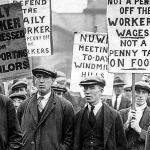
The working class has been at the heart of Britain’s story for centuries, shaping the nation through grit, skill, and solidarity. This website is dedicated to celebrating that legacy. Their stories are often overshadowed by political leaders and industrialists, but the real history of Britain is written in the hands and voices of working people.
What is Working Class?
The working class is the group of people who do not own productive resources and must rely on selling their labour to live. They do not control factories, land, machinery, or capital; instead, they work for those who do. Their position in society is shaped by this dependence, which places them in a system where the value they create is greater than the wages they receive. The difference becomes profit for those who own and control production.
Because they lack ownership, workers are separated from the products they make and from the process of making them. Their labour becomes something they must give away simply to survive, rather than an activity that expresses creativity or personal fulfilment.
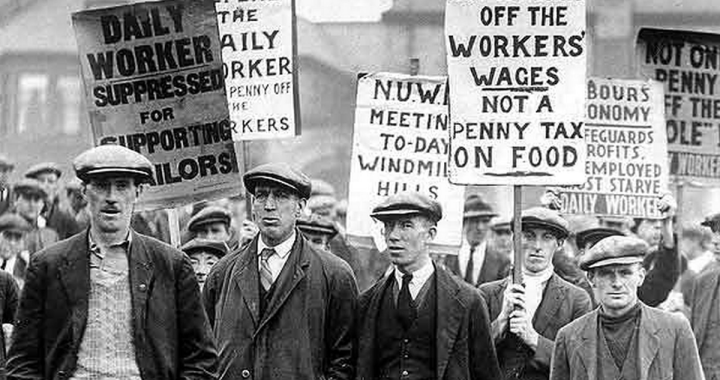
The working class is a collective group. Through unions, strikes, and political movements, they can act together to defend their rights and challenge the power of those who own and direct production.
This class is not defined by income, culture, or job title. It includes anyone whose livelihood depends on selling their labour, whether in factories, offices, warehouses, or service jobs. It is a global class, shaped by economic systems that operate across borders.