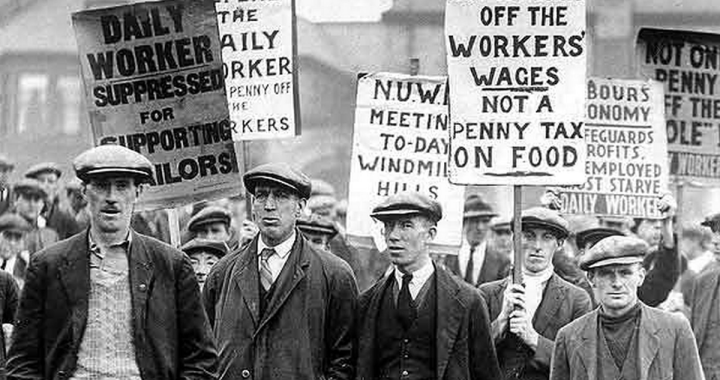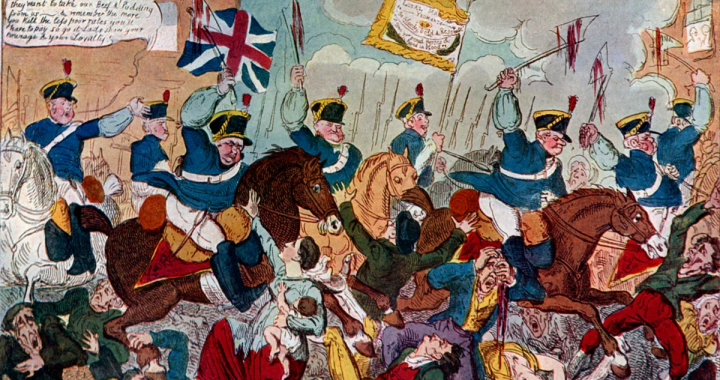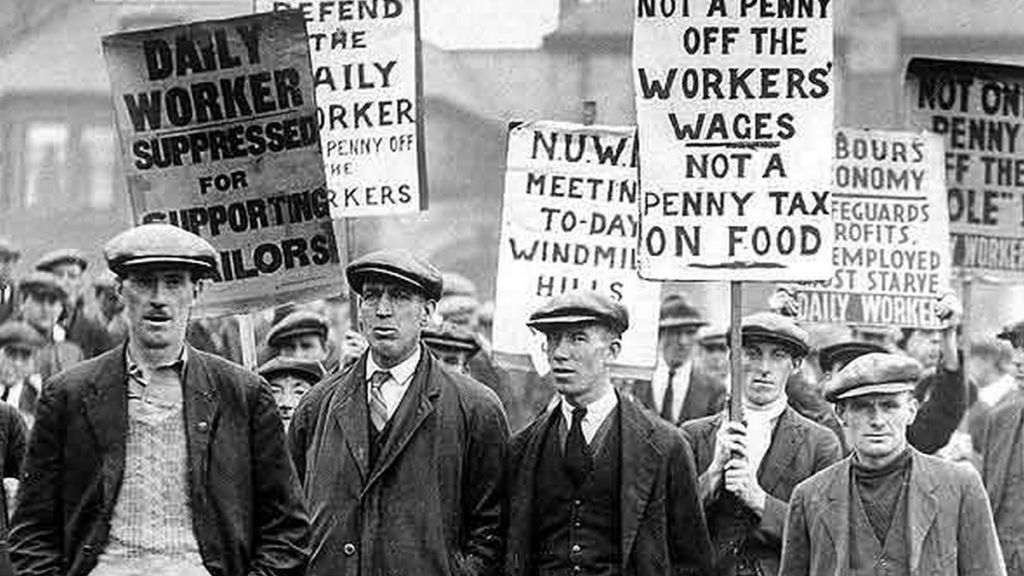
An imaginary newspaper report on the first day of the General Strike in 1926.
BRITAIN IN TURMOIL AS NATIONWIDE STRIKE ENTERS ITS FIRST HOURS
Tuesday, 4 May 1926 — Special Report
Britain woke today to scenes unlike anything in living memory. Trams frozen on their tracks. Factories bolted shut. Railway stations deserted. From London to the coalfields, the usual roar of working life has vanished — replaced by tense crowds and whispered rumours as the country braces for the full force of the General Strike.
At the stroke of midnight, the Trades Union Congress gave the order: workers across the nation were to down tools in support of the miners, locked out after refusing crippling wage cuts and longer hours. Within minutes, the call echoed from pit villages to city streets. By dawn, Britain’s great industrial machine had juddered to a stop.
The roots of this mighty clash lie deep in the coal crisis. Mine owners, claiming heavy losses, demanded miners work longer for less. The men answered with their now‑famous cry: “Not a minute on the day, not a penny off the pay!” Talks collapsed. More than a million miners were locked out. And last night, after printers at the Daily Mail refused to publish an anti‑strike editorial, the government walked away from negotiations entirely.
Other Workers out on Strike
The response was immediate and overwhelming. Railwaymen, transport workers, dockers, builders, printers, and power‑station crews joined the stoppage. Early estimates suggest two million workers are now out – a show of solidarity unmatched in British history.
London felt the impact before sunrise. Buses and trams stood idle, forcing thousands to trudge miles on foot. At Paddington, hastily recruited volunteers attempted to keep essential services moving under police supervision. Similar scenes played out in Manchester, Birmingham, Glasgow, and Cardiff, where local authorities scrambled to organise emergency labour to keep food and supplies flowing.
Prime Minister Stanley Baldwin addressed the nation this morning, declaring the strike “a challenge to the constitution” and announcing a state of emergency. The government has mobilised thousands of special constables and begun printing its own paper, The British Gazette, to counter what it calls “misleading union propaganda.” The TUC has answered in kind with The British Worker, urging calm, discipline, and unity.
Despite the scale of the stoppage, reports from across the country describe a surprisingly orderly atmosphere. Workers gathered outside union halls awaiting instructions. In industrial towns, peaceful marches took place at dawn, banners held high in support of the miners. There have been scuffles – particularly around bus depots where volunteers attempted to run services – but no widespread disorder has yet been seen.
The question now gripping the nation is simple: How long can Britain endure this? Coal stocks are dwindling. Transport paralysis threatens food supplies. The government insists it will not negotiate until the strike ends. The TUC says the miners’ fight is the fight of all working people and that unity must hold.